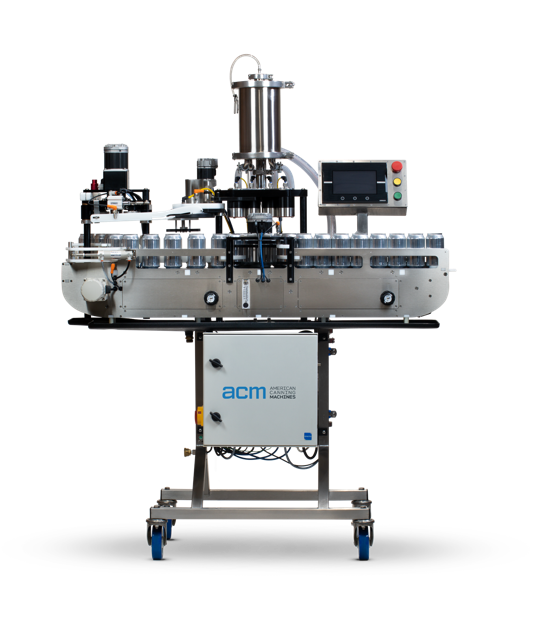

Every fall, the same question shows up in our quote conversations: if I buy the machine now, does it help me at tax time? For a lot of producers, the answer is yes, and the window closes on December 31.
Two parts of the tax code do the heavy lifting: Section 179 and bonus depreciation. Both were expanded by the 2025 tax law, and both can let you write off the full cost of a canning line in the year you start using it.
This is not tax advice. We build canning machines, not tax returns. It is a plain-language rundown of how these rules work, with links to CPAs who explain them in more detail. Bring it to your tax advisor.
What Section 179 is
Normally, a business writes off equipment a little at a time. A canning line might be depreciated over seven years, so you get a slice of the deduction each year.
Section 179 lets you skip the wait. You elect to deduct the full purchase price in the year the machine goes into service. That is money back in the business this year, when you are also buying cans, ingredients and labor to feed the new line.
For tax years beginning in 2026, the Section 179 limit is $2,560,000. The deduction starts phasing out once your total qualifying purchases for the year pass $4,090,000. Most craft producers will never get near either number.
One limit does matter for smaller and newer businesses. Section 179 cannot be more than your business's taxable income for the year. Anything over that carries forward to future years instead.
What bonus depreciation is
Bonus depreciation gets you to the same place by a different road. It lets you deduct 100% of a qualifying asset's cost in its first year.
The 2025 tax law made 100% bonus depreciation permanent for equipment acquired and placed in service after January 19, 2025. Before that, it had been phasing down year by year.
Two differences from Section 179 are worth knowing. Bonus depreciation has no dollar cap, and it is not limited by your taxable income, so it can create a loss. It also applies automatically to whole classes of assets unless your accountant elects out.
Section 179 or bonus depreciation?
You do not have to pick one. A common approach is to take Section 179 first, up to your taxable income, then use bonus depreciation for whatever is left. For most canning line purchases, that can mean the whole machine is written off in year one.
|
|
Section 179 |
Bonus depreciation |
|
How much |
Up to $2,560,000 in 2026 |
No dollar cap |
|
Income limit |
Limited to taxable business income |
None; can create a loss |
|
How it applies |
Elected asset by asset |
Automatic by asset class unless you opt out |
|
Best fit |
Profitable businesses that want control over what they expense |
Newer or growing businesses with lower income this year |
State taxes can change the math. Many states do not follow federal bonus depreciation, and some cap Section 179 lower. That is one more reason the final mix belongs with your CPA.
What qualifies
Canning lines, fillers, seamers and the rest of your packaging equipment are the kind of tangible business property these rules were written for. A few details trip people up:
• New to you counts. Equipment does not have to be brand new. It has to be new to your business.
• Financed equipment counts. If you finance the machine, you can generally still deduct the full price this year while paying for it over time. Lease structure matters, though. A true operating lease (not lease-to-own), where you never own the machine, usually does not qualify. Ask your lender and your CPA how your agreement is set up.
• Mostly business use. The equipment needs to be used for business more than 50% of the time. For a canning line, that is rarely a question.
The deadline that actually matters
To count for 2026, the machine has to be bought and placed in service by December 31.
That is the part people underestimate. Work backward from December 31 and leave room for the build, shipping, setup, and your first test run. Q4 production slots fill up, and holiday weeks slow everything down.
If a 2026 deduction is part of your plan, the time to start the conversation is now, not the second week of December.
Where financing fits
This is where the tax break and the payment plan work together. Finance the machine, and you can keep working capital in the business while potentially deducting the full cost this year. The line starts paying for itself from the first run, and the deduction shows up at tax time.
We work with independent lending partners who specialize in beverage equipment. They underwrite craft producers every week, understand seasonal cash flow, and fund businesses of all sizes, including newer ones that banks often turn away. You can apply directly through our financing page, and we walk through the bigger picture in How Craft Producers Actually Pay for Canning Equipment.
Want the details from a CPA?
These two articles go deeper on the 2026 rules:
• Section 179 Manufacturing Equipment: 2026 Limits and Bonus Depreciation, Pease Bell CPAs
• Section 179 vs. Bonus Depreciation in 2026: Which is Better?, DHJJ
Then take your numbers to your own tax advisor. They know your income, your entity and your state, and those decide how this plays out for you.
If a new line is on your list for this year, start with the configuration and the quote. Request a quote or call us at 512.355.0100.
Financing is provided by independent third-party lenders. American Canning Machines is not a lender or broker and does not guarantee approval or terms. Section 179 eligibility depends on your circumstances; consult your tax advisor.